Featured
Table of Contents
The memories of a stressful experience remain with the person that experienced it; the worldview it created in them, however, can be acquired by their kids. Also children, study has actually revealed, identify and respond to their moms and dad's anxiety cues. Research studies of Holocaust survivors have located that while several stood up to speaking to children concerning their experiences, their worldviewthat the world was a hazardous area where awful points could take place at any type of timeaffected their kids's expectation also.
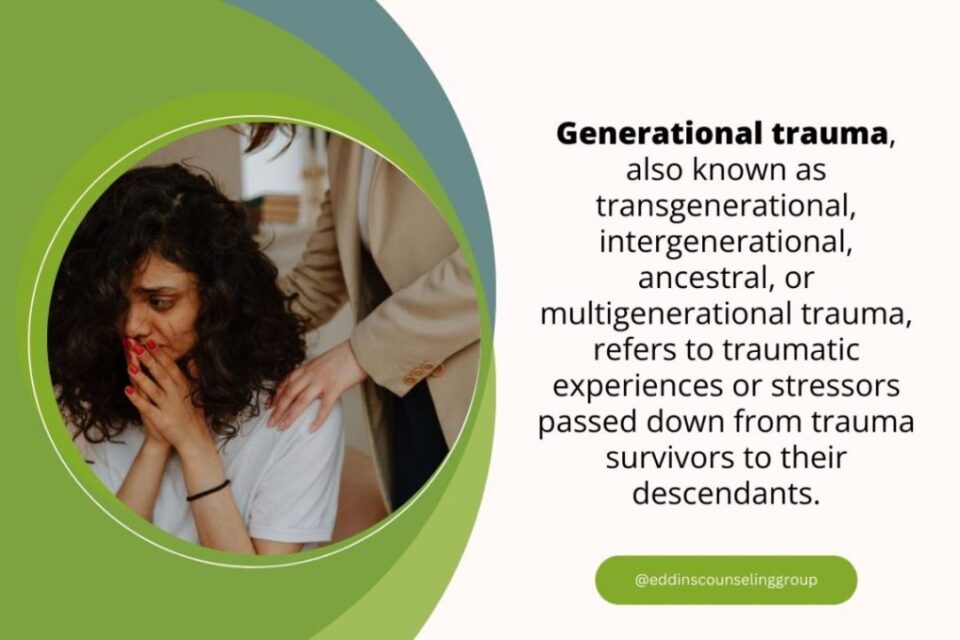
Intergenerational injury is injury passed from one generation to the next, frequently without direct experience of the traumatic occasion. This injury can create signs and symptoms like stress and anxiety and mood problems, comparable to PTSD.Therapy and trauma-informed care can aid handle the impacts of intergenerational trauma.
People experiencing intergenerational trauma might experience symptoms, responses, patterns, and psychological and emotional effects from injury experienced by previous generations (not limited to simply parents or grandparents). Humans have actually endured for hundreds of years by developing the ability to adjust. If you deal with chronic stress or have endured a stressful occasion, certain feedbacks activate to assist you survivethese are called trauma feedbacks.
Coping Strategies That Become Problematic Patterns
Someone who has experienced trauma might have a hard time to really feel calm in circumstances that are fairly risk-free due to anxiousness that one more traumatic occasion will certainly take place. When this happens, the trauma response can be unsafe instead than adaptive.
survived that resulted in their shouting or yelling. This might have been because yelling or shouting was flexible behavior for survival or they had their own parents chew out them since those parents and those before them didn't have the devices, energy, modeling, support, or room to talk kindly/gently/lovingly to their youngsters as a result of constant stressors and the trauma of historical oppression/struggle.
How Mental Health Symptoms Manifest Differently Across Cultures
They experience injury signs and symptoms and injury actions from events that did not happen to them; instead, the reaction is inherited genetically.
Intergenerational injury occurs when the effects of injury are passed down between generations.
Understanding Inherited Trauma Responses
This is one method that we adjust to our atmosphere and endure. When a person experiences injury, their DNA responds by triggering genes to aid them survive the stressful time. Genes that prime us for things like a battle, trip, freeze, or fawn feedback will certainly turn on to help us await future harmful scenarios.

Our genes do a wonderful work of keeping us safe also if this does not mean maintaining us delighted. When genes are primed for difficult or terrible occasions, they respond with greater strength to those events, however this consistent state of expecting danger is demanding. The trade-off of being constantly prepared to maintain us safe raises our body's stress and anxiety levels and impacts our mental and physical health in time.
The Role of Shared Experience in Mental Health Treatment
This "survival setting" remains encoded and passed down for multiple generations in the absence of added injury. Our genes do a fantastic job of keeping us safe also if this does not indicate maintaining us satisfied. When genes are keyed for stressful or distressing occasions, they respond with higher resilience to those events, yet this constant state of anticipating threat is difficult.
Research study reveals that children of moms and dads with greater ACEs ratings are at higher danger for their very own adverse childhood years experiences.
There are numerous sources available to those handling injury, both personal and intergenerational. Identifying trauma signs, also if they are inherited rather than relevant to an individual trauma, is vital in coping and seeking support for intergenerational trauma. Even if you do not have your very own memories of the trauma, a trauma-informed technique to care can help you manage your body's physical action to intergenerational injury.
Dr. Alter-Reid maintains a personal method providing treatment for individuals with severe distressing stress conditions, anxiousness, and life-cycle changes. Her most current work concentrates on situating and recovery trans-generational trauma, bringing a broader lens to her work with clients.
Stopping Inherited Trauma
Dr. Alter-Reid employs an integrative approach which might integrate relational psychotherapy, EMDR, hypnosis, tension management, sensorimotor psychiatric therapy and/or biofeedback. These adjunctive techniques are based on advanced study in neuroscience. Dr. Alter-Reid is the EMDR Elder Consultant to the Integrative Trauma Program at the National Institute for the Psychotherapies in New York City City ().
On top of that, Dr. Alter-Reid is on faculty in both the Integrative Trauma Program and in the 4 year analytic program. Dr. Alter-Reid is an EMDRIA-Approved EMDR Institute Regional Instructor, Consultant and Specialized Speaker, training clinicians across the country, teaching therapists and College faculty regarding trauma and educating them in EMDR therapy. In feedback to the Sandy Hook shootings, Dr.
This group of seasoned injury specialists given therapy and training to family members and first -responders influenced by the shootings. She co-led a group of trauma specialists for 12 years as component of a non-profit, Fairfield County Injury Reaction Team. Dr. Alter-Reid likewise co-created a program, "Therapy for Therapists" which supplies injury therapy to medical professionals collaborating with traumatized populaces.

Latest Posts
Why Location Matters for Group Therapy
Navigating Two Cultural Systems
Why Understanding Your Trauma Isn't Enough for Healing