Featured
Table of Contents
Ashlei Petion, a qualified expert counselor (LPC) and assistant teacher of medical psychological health and wellness therapy at Nova Southeastern University in Florida, observed an usual pattern in the therapy job she finished with teenagers throughout her master's teaching fellowship. Her young clients would typically chat in sessions concerning obstacles and rubbing at home, however whenever Petion looped the clients' moms and dads into the conversation, they claimed they were just parenting their kid in the same means their own parents had finished with them.
For some clients and therapists, social fascism and historical/cultural erasure might maintain them from connecting presenting issues, such as problem in connections or problematic coping, to obstacles or injury that customers haven't experienced themselves, yet which impacts their family members and neighborhood, Goodman notes. Therapists' duty "is to bring that [trauma] into awareness and collaborate with the customer to resolve it," she states.
There's just no way a therapy program can cover whatever totally, consisting of the complexities of injury, in a two-year master's program, she says. On top of that, much of the books and materials therapist education and learning programs use to instruct trainees about trauma have a Western point of view and do not cover historic and generational injury, she adds.
Clinical Gaps in Traditional Therapy
Generational injury is a location of study for Mike, a third-year doctoral candidate in counselor education and guidance at the University of Florida, however it's also something he personally saw maturing as a Black man. He states he also sees its results in the worries of the trainees, faculty and team he counsels at Vanderbilt.
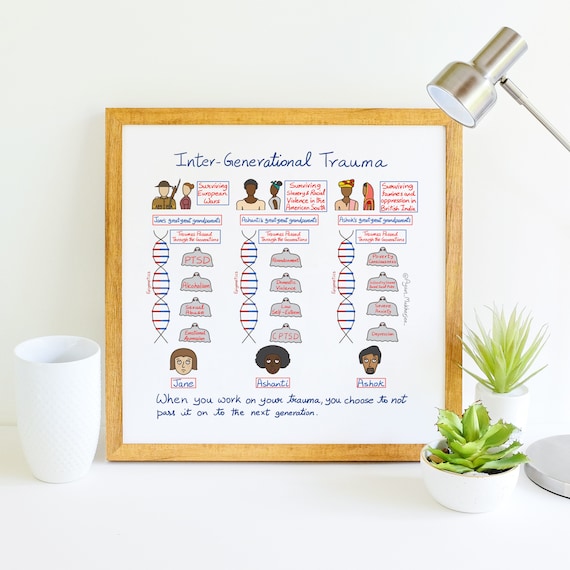
The essence is to discover where these feelings come from; if it's something that they have actually internalized from their family members or neighborhood, then it can show they have generational trauma that requires to be resolved, Mike states. For instance, a customer who shares fear or wonder about of legislation enforcement or clinical care may not have an individual experience that prompts that worry.
She overviews these clients to speak concerning their family members of origin, and where their sensations of embarassment may have come from. Customers that are impacted by generational injury usually discover that they stem from social messages they have internalized, Guyton claims.
They may not want to share and speak about [this topic] at once. They may need you to show that you are a person that can be relied on, somebody that will certainly believe them," says Goodman, an ACA participant and rep on the ACA Governing Council. Goodman notes that some customers might intend to do a deep dive into refining the historical beginnings of their trauma while others might just want to acknowledge it and concentrate on various other work, such as finding out coping devices for day-to-day life.
Transforming Generational Nervous System Patterns
"The goal is for our clients to be able to live the life they desire to live," Goodman continues. "It's not up to me to tell them they have to revisit their entire family history. I want discovering out what 'living a meaningful life' indicates for each and every customer and aiding them arrive." Similarly, Guyton, an ACA participant and co-author of the workbook Recovering the Wounds of Generational Injury: The Black and White American Experience, has actually had clients that traveled to talk with prolonged family participants for more information concerning the injury, context and life tales of their forefathers, whereas others are not comfy doing so.
"There is typically a connection to what it is to be an American and just how they feel as an American." The field of epigenetics, she adds, instructs us that the historic injury responses can be passed down to next generations. Therapists might also require to function on multiple challenges with these clients at as soon as, Guyton says.
Once it surfaces, I concentrate on it as a lot as the customer leads and wait up until they prepare to refine it. I intend to additionally be delicate to the various other kinds of injury" they're handling, she clarifies. Guyton has established a strategy that utilizes a mix of cognitive behavior modification, narrative therapy, genogram and some led images work to help clients identify the generational trauma being passed down to them and acquire the skills to interrupt transmission to the following generation.
The circumstance left most of the moms and dads with extreme feelings of pity, fear and generational trauma, Goodman says. Subsequently, these moms and dads and their youngsters were living with generational injury as they struggled to maintain family bonds, she adds. She discovered that these parents wished to learn parenting skills in counseling to meet their immediate demands and support their youngsters, yet they likewise required deeper job to refine the trauma of their experience at boarding college, where they weren't enabled to talk their native language or wear their native gown and, sometimes, endured misuse.
Career Choices and Family Pressure
At intake, discover not only their injury background and obstacles however also their staminas, sources and things that give them really hope, she suggests. Counseling to aid clients recognize and unpack their generational trauma must be culturally delicate and customized to each customer's various mix of needs.
Mike finds that it can be practical to begin conversations by motivating customers to think about the "miracle concern" and picture or envision a world where their difficulty or problem (in this situation, generational trauma) is totally gotten rid of. He suggests asking the customer, "What would certainly it be like if you didn't hold on to these feelings, or this pressure wasn't there?" to trigger idea and conversation regarding the huge picture and larger concerns attached to their difficulties.

Latest Posts
Why Location Matters for Group Therapy
Navigating Two Cultural Systems
Why Understanding Your Trauma Isn't Enough for Healing