Featured
Table of Contents
Exercising mindfulness allows people to observe their ideas and physical experiences without judgment. Somatic treatment begins with creating an eager awareness of and befriending physical feelings. This might entail seeing points like tension patterns, impulses, physical behaviors, high quality of breath, heart price, and neutral or favorable experiences in the body.
Discovering to ground oneself in the present moment is critical. These strategies help to combat the dissociation and worry commonly experienced by trauma survivors. Intentional motions and breath workouts are utilized to release stress and saved injury from the body.
5. Some somatic techniques integrate therapeutic touch, such as coregulating touch, craniosacral therapy or Neuro Affective touch. These techniques can assist fix accessory injuries and foster a sense of safety and link. Discover effective anger monitoring techniques, consisting of somatic strategies and mindfulness tips, in our in-depth overview here. Find out just how breathwork can link the link between mind and body in this informative article on breath-centered treatment.
Frequently, survivors of distressing experiences are incredibly hard on themselves, having a hard time with perfectionism, a focus on achievement or pleasing others at their very own expense. Along with your somatic practices and building body awareness, self-compassion is an identical process essential to deeply healing from trauma. Somatic treatment uses reliable strategies for taking care of sensory overload, especially for those with autism and ADHD.
Nerves policy refers to the equilibrium between the supportive, "go" component of the nerve system with the parasympathetic, "remainder and recover" nerves. When you're regulated, you will certainly really feel calm and alert at the exact same time. As you come to be much more in harmony with your bodily experiences and experiences, you start to discover your most authentic expression of self and less of your "survival-based" self.
Beginning with your toes, slowly relocate your attention up through your body. Notice any locations in your body that really feel neutral or great. If something really feels excellent, do not hesitate to savor those sensations without holding on to them. Action 2: Basing Workout (3-5 minutes) Stand barefoot on the ground, if possible.
Accelerated Relief Without Reliving Your Painful Memories

Breathe out gradually, permitting stress to launch with each breath. Step 4: Mild Motion (10-15 mins) Stand or rest in a comfortable setting. Slowly relocate each part of your body, beginning with your fingers and toes. Take notice of how each motion feels. If you encounter tension, carefully stretch or drink that location.
Notification where you feel the emotion in your body. Place your hand on that area and take a breath into it. Allow the sensation from the positive feeling to simply be there.
Why Body-Based Healing Works When Traditional Therapy Isn't Enough
Intend to discover more sophisticated somatic methods? Arrange an one-on-one session with our experienced experts. Typical talk treatment has its area on the trip toward healing and wholeness. However, somatic therapy is more reliable and has lasting outcomes for dealing with trauma. Here's a comparison to help you comprehend why somatic treatment may be an effective alternative for your healing journey: Somatic Treatment: Addresses the mind-body link, concentrating on how injury is saved in the body and how physical feelings associate with emotional experiences.
Typical Talk Treatment: Largely focuses on verbal expression and cognitive processing of thoughts and emotions. It is thought about a top-down method concentrated primarily on how the mind features. Something we tell our customers is that if you might have already believed your escape of your injury, you would have.
Why Insight Into Your Trauma Isn't Enough for Healing
Somatic Therapy: Encourages active engagement and body recognition throughout the procedure, encouraging clients to attach with their body's wisdom. A tell-trained somatic specialist listens to the client's anxious system reactions and really observes a client's body movement in the kind of motion, breathing, eye call, existence vs. dissociation, tension patterns in the body and a lot a lot more.
Conventional Talk Therapy: Mainly entails spoken involvement, which may be testing for those that have a hard time to verbalize their experiences, can't remember what took place or merely don't wish to discuss stressful events since it's too frightening. Somatic Therapy: Straight addresses physical indications of trauma, aiming to restore equilibrium and flow in the body.
Somatic therapy uses an extensive approach to trauma healing that honors the wisdom of the body. By attending to both the physical and psychological aspects of injury, it provides a course to deep, lasting recuperation. While the journey might be challenging sometimes, the possibility for improvement and renewed wellness is immense.
Chronic Tension and Trauma Storage
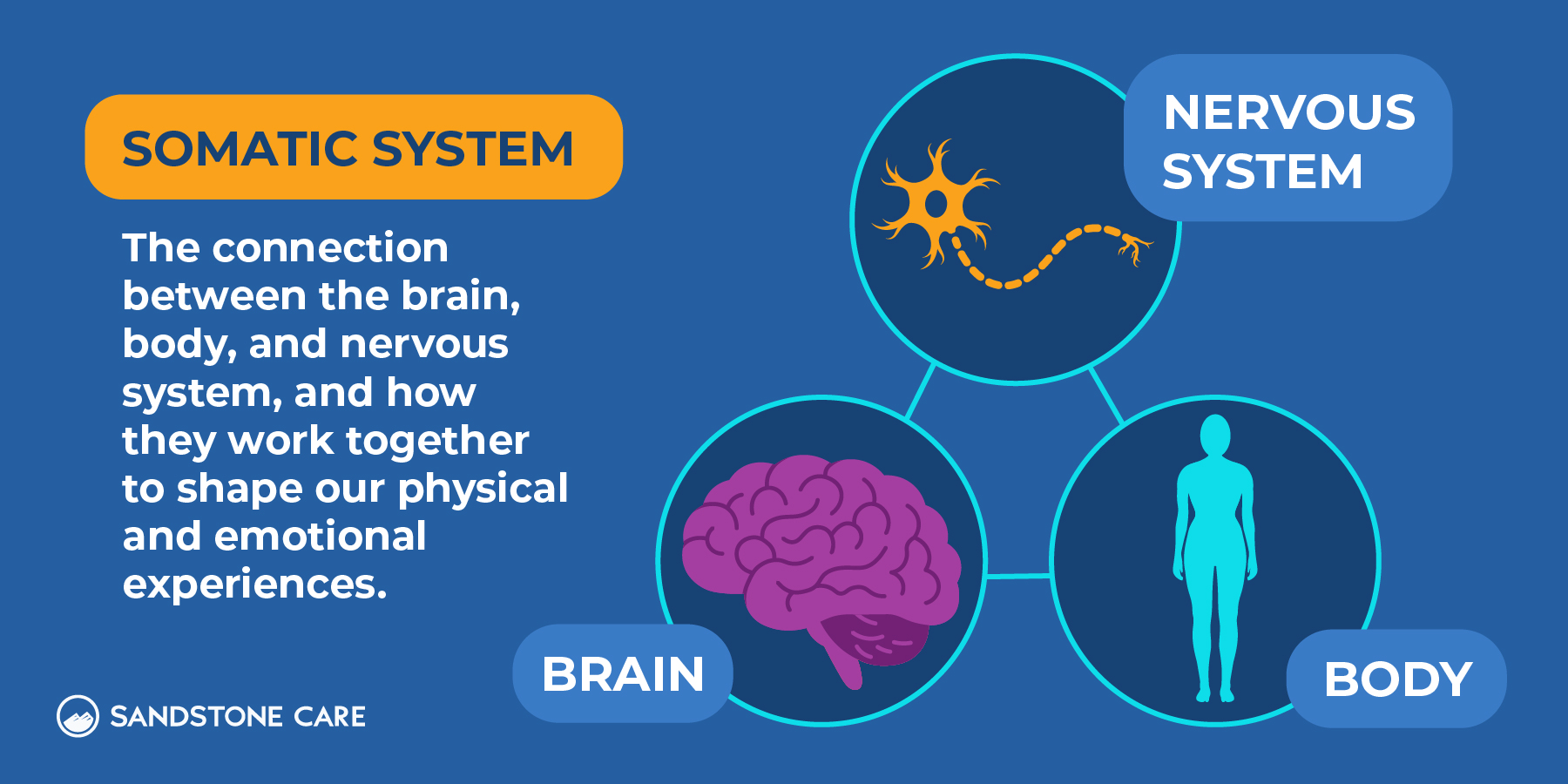
Get to out to a qualified somatic specialist to begin your journey and be mild with on your own as you browse this path of recovery and self-discovery.
Somatic Experiencing (SE) aims to deal with signs of tension, shock, and trauma that collect in our bodies and nerve systems. Injury, from an SE lens, is concentrated on just how it appears in the nerves and how that dysregulation influences life. When we are embeded patterns of fight, flight, or freeze, SE helps us release, recover, and come to be a lot more resistant.
Online Body-Based Therapy: Does It Work?
It is based upon a multidisciplinary crossway of physiology, psychology, ethology, biology, neuroscience, native recovery practices, and clinical biophysics and has been medically made an application for even more than 4 years. It is the life's work of Dr. Peter A. Levine. The SE approach releases terrible shock, which is key to changing patterns that get stuck and effect individuals's lives.

Latest Posts
How Healing the Complete Picture Works
Remote Trauma Therapy: Does It Work?
Smart Technology: Your 24/7 Clinical Assistant