Featured
Table of Contents
1. Exercising mindfulness enables people to observe their thoughts and bodily experiences without judgment. This skill is foundational in acknowledging trauma reactions and discovering to remain existing throughout challenging minutes. 2. Somatic therapy starts with developing an eager understanding of and befriending bodily experiences. This might involve noticing things like stress patterns, impulses, bodily actions, high quality of breath, heart price, and neutral or positive experiences in the body.
3. Learning to ground oneself in the present minute is crucial. This usually involves exercises that involve the senses, such as feeling one's feet on the floor or concentrating on slow-moving, deep breaths. These methods help to counteract the dissociation and worry commonly experienced by injury survivors. 4. Intentional activities and breath workouts are made use of to launch stress and stored injury from the body.
5. Some somatic techniques incorporate therapeutic touch, such as coregulating touch, craniosacral therapy or Neuro Affective touch. These techniques can help fix attachment wounds and cultivate a sense of safety and security and link. Discover reliable temper monitoring methods, including somatic techniques and mindfulness pointers, in our detailed guide right here. Discover how breathwork can bridge the connection between body and mind in this informative post on breath-centered treatment.
Typically, survivors of traumatic experiences are incredibly tough on themselves, having a hard time with perfectionism, a focus on success or pleasing others at their own cost. Together with your somatic practices and building body awareness, self-compassion is a parallel procedure needed to deeply recovery from injury. Somatic treatment supplies effective strategies for taking care of sensory overload, specifically for those with autism and ADHD.
Nervous system policy describes the equilibrium in between the considerate, "go" component of the anxious system with the parasympathetic, "remainder and recover" nerves. When you're controlled, you will certainly really feel calm and alert at the exact same time. As you end up being more in harmony with your physical sensations and experiences, you begin to find your most authentic expression of self and less of your "survival-based" self.
Beginning from your toes, slowly relocate your attention up through your body. Notice any kind of places in your body that feel neutral or great.
Anxiety Dysregulation and Recovery
Gradually move each component of your body, starting with your fingers and toes. Pay attention to just how each activity feels.
Notification where you feel the feeling in your body. Position your hand on that location and infuse it. Permit the experience from the pleasant feeling to simply be there. Savor it. Action 6: Mindful Walking (10-15 minutes) Take a sluggish walk, inside or outdoors. Leave your earphones and phone in the house.
Finding Trained Care Beyond Geographic Limits
Intend to find out more innovative somatic strategies? Schedule an individually session with our seasoned experts. Conventional talk therapy has its place on the trip towards recovery and integrity. Nonetheless, somatic treatment is a lot more efficient and has lasting end results for treating trauma. Below's a comparison to assist you recognize why somatic treatment could be an effective choice for your healing journey: Somatic Therapy: Addresses the mind-body connection, concentrating on exactly how injury is kept in the body and just how physical experiences connect to emotional experiences.
Traditional Talk Treatment: Mainly focuses on verbal expression and cognitive processing of ideas and feelings. It is thought about a top-down technique focused generally on how the mind functions. One point we inform our clients is that if you could have currently assumed your method out of your trauma, you would certainly have.
Somatic Therapy: Motivates energetic engagement and body understanding throughout the process, equipping clients to get in touch with their body's wisdom. A tell-trained somatic therapist listens to the client's nerves actions and really observes a customer's body movement in the type of gesture, breathing, eye contact, visibility vs. dissociation, stress patterns in the body and far more.
Chronic Tension and Trauma Storage
Conventional Talk Therapy: Largely entails spoken engagement, which may be challenging for those that battle to verbalize their experiences, can't remember what took place or simply do not desire to talk about terrible events because it's too scary. Somatic Treatment: Directly addresses physical manifestations of injury, intending to recover balance and flow in the body.
Somatic therapy provides a thorough method to injury healing that honors the knowledge of the body. By addressing both the physical and emotional elements of injury, it offers a path to deep, lasting healing. While the trip may be testing at times, the possibility for change and renewed wellness is immense.
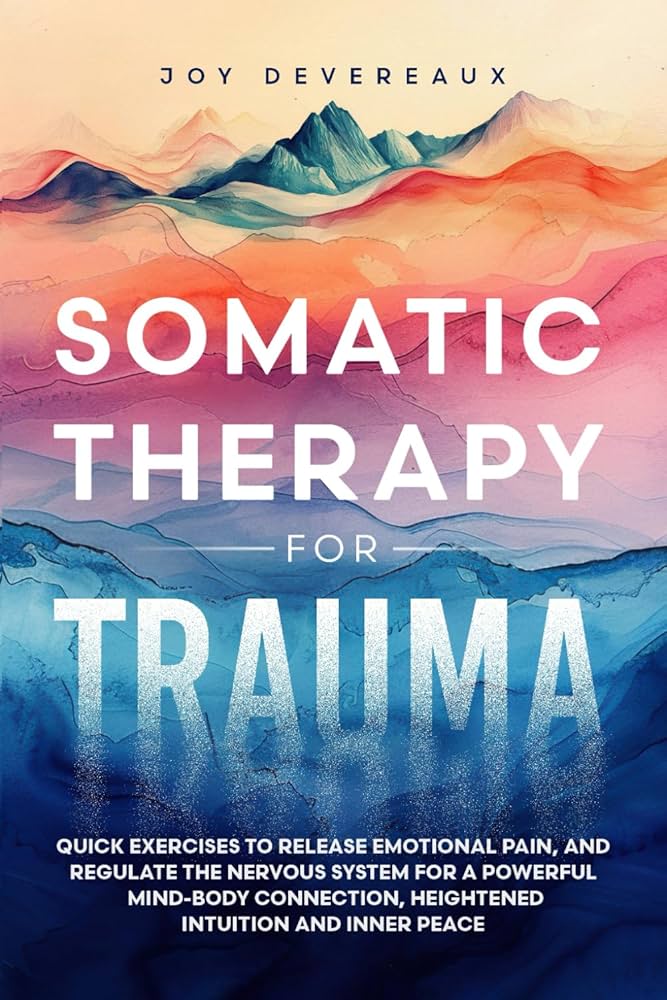
Get to out to a competent somatic specialist to start your trip and be gentle with yourself as you navigate this course of recovery and self-discovery.
The Power of Brainspotting for Trauma and Somatic Healing
Somatic Experiencing (SE) aims to settle symptoms of anxiety, shock, and trauma that gather in our bodies and nerve systems. Trauma, from an SE lens, is concentrated on exactly how it appears in the nerve system and how that dysregulation effects life. When we are embeded patterns of battle, trip, or freeze, SE assists us release, recoup, and end up being more resilient.
It is based upon a multidisciplinary crossway of physiology, psychology, ethology, biology, neuroscience, aboriginal recovery methods, and medical biophysics and has been medically made an application for more than four decades. It is the life's work of Dr. Peter A. Levine. The SE method releases stressful shock, which is vital to transforming patterns that obtain stuck and influence people's day-to-days live.

Latest Posts
How Healing the Complete Picture Works
Remote Trauma Therapy: Does It Work?
Smart Technology: Your 24/7 Clinical Assistant